

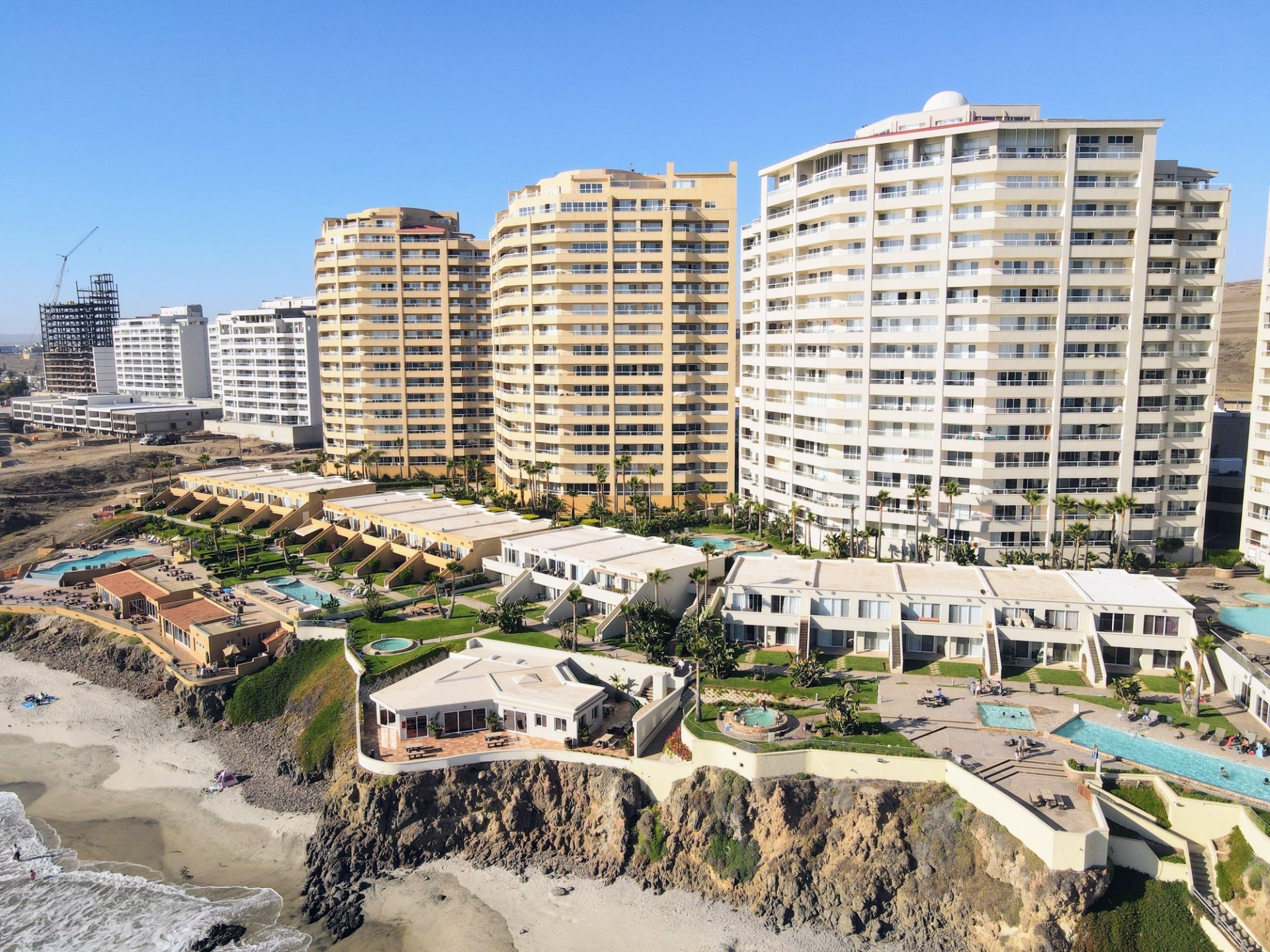
Rosarito sits about 45 minutes south of the San Diego border, which makes it one of the easiest international moves a US citizen can make. You keep Pacific Ocean views, walkable beach towns, and a slower pace of life, while staying close enough to cross back for a dentist appointment, a Costco run, or a flight out of San Diego.
The draw isn't just the beach. It's the math. A two-bedroom oceanview condo in Rosarito often costs a fraction of a comparable unit in San Diego or Orange County, and that gap is the single biggest reason relocation inquiries have climbed steadily over the past few years.
Before you pack a single box, though, there's a real checklist — documents, housing decisions, movers, and utilities — that determines whether your first few months feel smooth or stressful. This guide walks through it in order.
Documents You'll Need Before You Move
Every US citizen needs a valid passport to enter Mexico, full stop — a passport card alone won't work for this kind of stay. If you're planning to stay longer than 180 days at a time or want to drive back and forth across the border frequently, look into a SENTRI pass. It isn't required, but if you're working remotely and expect regular border crossings, it's one of the best time investments you can make — SENTRI lanes can cut a two-hour wait to ten minutes.
You'll also want your FMM (Forma Migratoria Múltiple), the visitor permit issued at the border for stays under 180 days. If you're staying longer or plan to eventually apply for residency, start that paperwork before you move rather than after — Mexican consulates process residency applications from your home country, not once you're already living in Baja.
For anything border- or consulate-related, the US Consulate General Tijuana is the most reliable source, and it's worth bookmarking before your move date.
Do You Need Residency, or Just an FMM?
Most people relocating to Rosarito on a rent-first basis don't need formal residency right away — the FMM tourist permit covers stays up to 180 days and can be renewed by exiting and re-entering. If you're buying property, planning to stay indefinitely, or want to bring a vehicle long-term, temporary or permanent residency becomes the better path.
This is also where the fideicomiso comes up — the bank trust structure that allows foreign nationals to hold property in Mexico's restricted coastal zone, which includes all of Rosarito. It's a well-established, routine process for foreign buyers here, not a workaround. For the full breakdown of how it works step by step, see how the buying process works in Mexico.
Renting vs. Buying: How to Decide Before You Commit
This is the decision that shapes everything else, and there's no universally right answer — it depends on how certain you are about the area, the timeline, and your budget flexibility.
Renting for a year first is the move most relocation experts recommend, even for buyers who are fairly confident. A year of renting lets you experience Rosarito through a full seasonal cycle — summer crowds, winter quiet, wet-season traffic — before locking into a purchase. It also gives you time to actually walk different neighborhoods instead of judging them from listing photos.
Buying makes sense once you've done that homework: you know the area, you've compared beachfront homes in Rosarito against a few developments, and you're ready to commit. If financing is part of the plan, review financing options for US buyers early, since Mexican and cross-border lending works differently than a standard US mortgage.
Whichever path you choose, don't skip the research step. Browse our developments and blog library before you commit to either renting or buying — knowing what's actually available at each price point changes the decision.
What to Confirm in Your Rental Contract Before You Sign
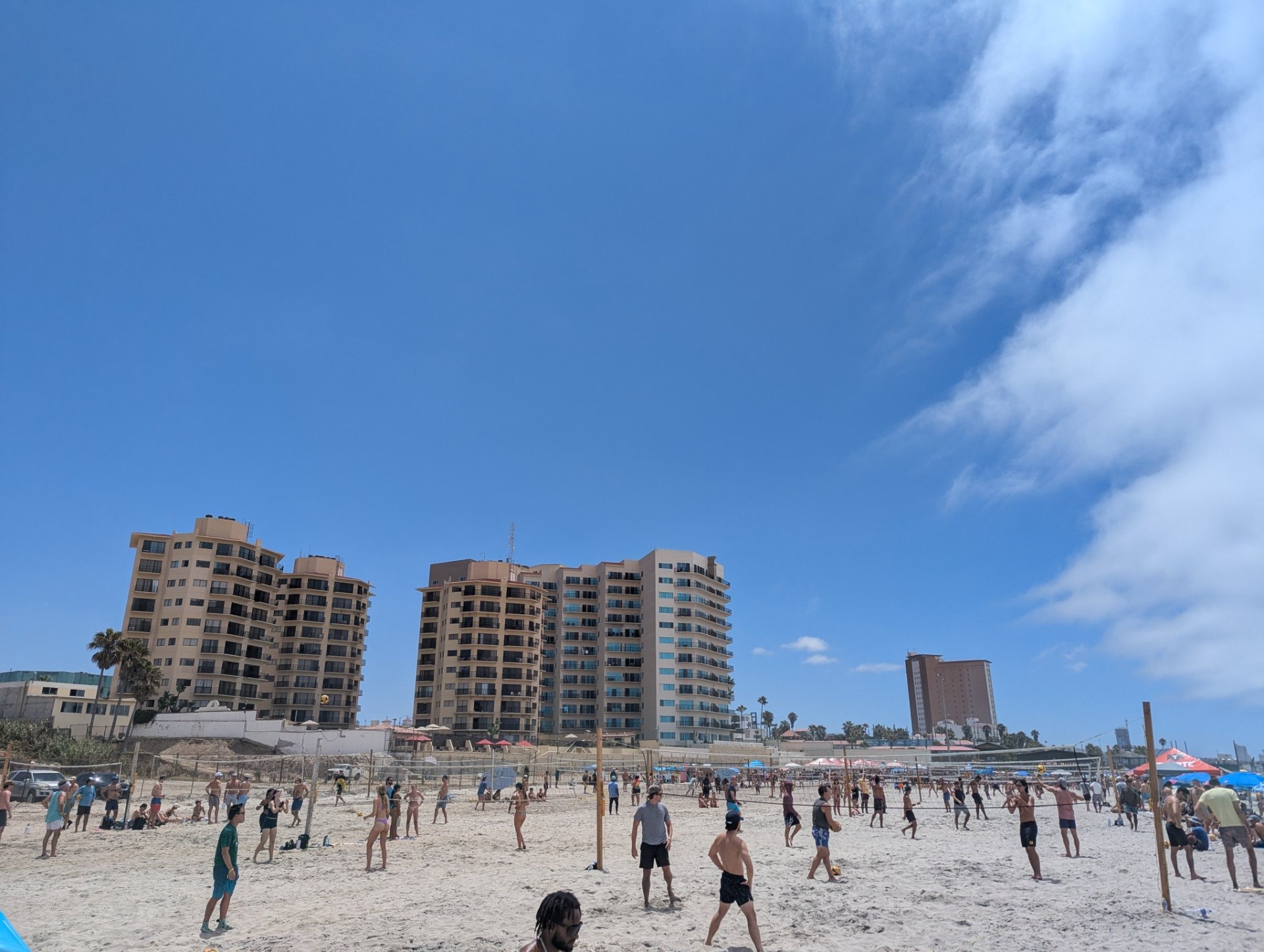
If you're renting first — and most people should — the contract itself is where problems get avoided or created. Before signing, confirm in writing:
- The exact move-in date, not just "ready soon." Get a specific date the unit will be turnover-ready.
- What happens if it isn't ready. Ask what the landlord will do — temporary housing, a rent credit, a revised date — if the unit isn't move-in ready on the agreed date. This is the single most common source of relocation stress, and it's entirely avoidable by putting it in writing upfront.
- What's included — furniture, appliances, internet setup, parking, storage.
- Deposit and exit terms, including how and when the deposit is returned.
None of this is unusual to ask for. A landlord who's used to renting to relocating US tenants will expect these questions and answer them without hesitation.
Utilities: Who Pays for What
This is the detail people forget to nail down and then get surprised by. Before you move in, confirm:
- Electricity — Is it included in rent, split, or fully the tenant's responsibility? Air conditioning use in summer can meaningfully change a CFE (electric) bill, so ask what a typical month runs.
- Water — Usually inexpensive, but confirm whether it's billed separately or bundled with an HOA fee in gated communities.
- Internet — If you're working remotely, don't assume. Ask what provider is installed, what speeds are actually delivered (not just advertised), and whether it's already active or needs to be set up after move-in. A slow install can cost you a week of remote-work headaches.
- HOA / community fees — In gated developments, these often cover security, common-area maintenance, and sometimes water. Get the fee amount and what it includes in writing.
Once you own or rent long-term, what to expect as a property owner covers this in more depth, including how HOA structures typically work across Rosarito's gated communities.
Condo or House? They're Not the Same Decision
These two options solve different problems, and it's worth being honest about which one actually fits your life.
Condos typically come with amenities built in — pools, gyms, sometimes a beach club or direct beach access — plus security and less exterior maintenance. That's ideal if you want a lock-and-leave lifestyle or you're not ready to manage a property solo. Explore Rosarito Beach condos for sale to see the range.
Houses give you more space, often a yard, and more control — but also more maintenance responsibility and, outside gated communities, sometimes less built-in security. If you have pets that need a yard, or you simply want more square footage for the same budget, a house may fit better despite the added upkeep.
Neither is objectively better. It comes down to how hands-on you want to be and what your daily life actually looks like.

Choosing Your Area: North, Central, or South Rosarito
Location matters more in Rosarito than the town's small footprint might suggest.
Central Rosarito, near the boulevard, is where most of the restaurants, nightlife, and everyday activity happens. It's convenient and walkable, but also louder — worth knowing if quiet is a priority.
South of Rosarito (toward Popotla and Puerto Nuevo) tends to be quieter, with more gated residential communities and a slower pace, at the cost of being a bit further from the central strip.
North Rosarito, toward Playas de Tijuana, has fewer condo options but more standalone housing, and it's the closest point to the San Diego border for anyone crossing frequently.
If proximity to the border is a priority — for work, for SENTRI convenience, or for family visits — factor that into the location decision as much as price or view.
Planning the Physical Move
Movers and logistics depend heavily on where you're coming from. A move from Southern California is straightforward — many movers cross the border regularly and know the paperwork. A move from further away (the Midwest, East Coast) usually means either a long-haul US mover that partners with a Mexico-side crew for the final leg, or shipping belongings to a San Diego storage facility and arranging a shorter cross-border haul from there.
Either way, get moving quotes early and ask specifically whether the company has cross-border experience — general movers unfamiliar with the customs process can turn a simple move into a stalled truck at the border.

Pets, Accessibility, and Working From Home
A few details are easy to overlook until they become a problem on move-in day:
- Pets — Most rentals and developments allow pets, but confirm breed or size restrictions and whether there's an additional pet deposit. If you have a dog that needs yard space, that alone might tip the condo-vs-house decision.
- Accessibility — If stairs, wheelchair access, or single-level living matter, ask specifically — older buildings and hillside properties in Rosarito are not always accessible by default, even when the community itself is well maintained.
- Remote work — Confirm internet speed in writing, not just "we have WiFi." Ask for the actual provider name and megabit speed, and if possible, ask a current resident or your agent to verify it before you sign anything.
What Condos and Homes Typically Cost
Pricing varies significantly by location, condition, and amenities, but as a general starting point, well-maintained condo communities and nicer standalone homes in gated, secure developments with amenities and beach access tend to start around $1,200/month for rentals, moving up from there based on view, size, and community. Purchase prices follow a similarly wide range depending on the development and proximity to the water.
Because pricing shifts by neighborhood and by season, the most useful next step is a direct conversation rather than guessing from general ranges. Speak with a local Baja agent for current pricing on specific condos and homes that match what you're actually looking for, or browse all new developments to get a feel for what's out there before reaching out.
Ready to see what's actually available?
Browse Rosarito Beach properties filtered by price, bedrooms, and community — or reach out for a tailored home search built around your specific needs: condo vs. house, location, pet requirements, accessibility, and budget.

Every move looks a little different depending on where you're starting from and what matters most to you — proximity to the border, quiet vs. walkable, a yard for the dog, rock-solid internet for remote work. The good news is that none of these questions are dealbreakers in Rosarito; they're just decisions that go smoother when you make them on purpose instead of by accident.
Talk to a Baja real estate expert
Get a side-by-side look at current oceanfront rentals in Rosarito and ownership options, based on your timeline and budget — contact our team to get started.
Frequently Asked Questions
What documents do US citizens need to move to Rosarito?
A valid passport is required to enter Mexico. Most people also get an FMM visitor permit at the border, and a SENTRI pass is worth applying for if you'll be crossing regularly.
How far is Rosarito from San Diego?
About 45 minutes by car under normal traffic, making it one of the most accessible international moves for California-based buyers and renters.
Should I rent or buy when moving to Rosarito?
Most relocation experts recommend renting for a full year first so you experience the area through different seasons before committing to a purchase.
What is a fideicomiso and do I need one?
It's the bank trust structure that lets foreign nationals hold property in Mexico's coastal zone, including Rosarito. It's required for direct property ownership near the coast — see our full breakdown for the details.
Do I need a SENTRI pass to live in Rosarito?
It's not required, but if you plan to cross the border regularly for work, healthcare, or family, SENTRI dramatically cuts wait times compared to standard lanes.
How much does a condo or home rental cost in Rosarito?
Well-maintained condo communities and nicer gated homes with amenities typically start around $1,200/month, varying by location, view, and community.
What should I check in a rental contract before signing?
Confirm the exact move-in date, what happens if the unit isn't ready on time, what's included (furniture, internet, parking), and how utilities are split.
Is Rosarito safe for US citizens moving there?
Gated communities and established expat neighborhoods are the norm for relocating buyers and renters, and most residents report feeling comfortable with normal city-living precautions.