

Yes — Rosarito can be an attractive market for real estate investors, particularly if you're interested in coastal property, vacation rentals, long-term rentals, second homes, or a foothold near the Southern California market. But that "yes" comes with a condition: like any real estate investment, the outcome depends on the specific property, location, ownership structure, operating costs, rental strategy, and due diligence you put into it.
This isn't really a question about whether Rosarito is a good market. It's a question about finding the right property for your particular investment goals — and those goals should shape almost every decision that follows, starting with where you browse Rosarito properties in the first place.

Why People Invest in Rosarito Real Estate
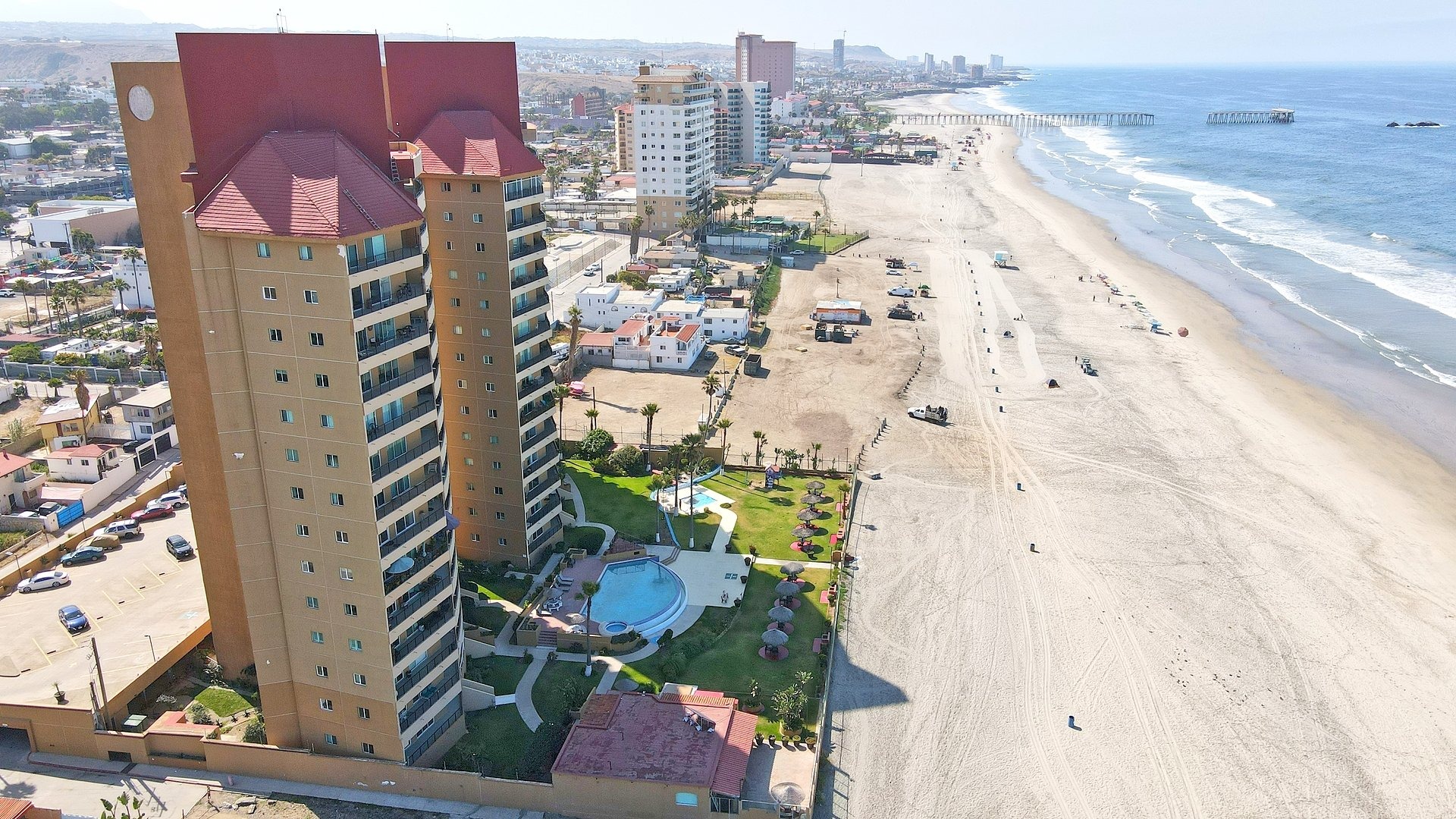
Two forces drive most of the demand here. The first is straightforward: Rosarito sits directly on the Pacific, and that coastline supports everything from beachfront vacation homes to ocean-view retirement properties to straightforward rental income plays. Buyers drawn to the coastal lifestyle are often comparing beachfront, beachside, and ocean-view options against each other before they ever compare neighborhoods.
The second is geography. Rosarito sits close to the U.S.–Mexico border and within reach of San Diego and the broader Southern California market, which means it draws weekend travelers, second-home buyers, and retirees who want coastal living without leaving the region entirely. Traffic and border wait times vary enough day to day that it's worth avoiding specific commute promises — the honest version is that Rosarito offers a coastal lifestyle within relatively easy reach of Southern California, not a guaranteed door-to-door time.
Location Matters Enormously — Rosarito Isn't One Market
Investors sometimes treat "Rosarito" as a single market when it's really a string of distinct micro-markets. Downtown Rosarito, North Rosarito, South Rosarito, Baja Malibu, Calafia, Punta Bandera, Popotla, Primo Tapia, Puerto Nuevo, and La Misión each have their own inventory, buyer profile, and rental demand. A property that performs well in one of these areas won't necessarily perform the same way a few miles down the coast.
Before comparing prices or property types, it's worth evaluating each location against a consistent checklist: beach access, ocean view, proximity to downtown, distance to the border, nearby restaurants and shopping, highway access, medical services, and community amenities. Gated developments like Calafia tend to score differently on this checklist than an unrestricted lot in Primo Tapia, even if the raw acreage is similar. If you're weighing Rosarito against nearby alternatives, the Rosarito Beach neighborhood guide and the Playas de Tijuana area guide are useful starting points for comparing character and access side by side.

Beachfront vs. Beachside vs. Ocean View: What It Means for Investors
These terms get used loosely, but they carry real investment implications. Beachfront property offers direct beach access, which can support strong vacation-rental appeal — but it also comes with more exposure to salt-air corrosion, higher insurance and maintenance considerations, and often stricter HOA rules. Beachside property sits a short distance from the sand and can offer a different balance between location and ongoing operating costs.
Ocean-view property, meanwhile, can appeal strongly to vacation and second-home buyers even when it isn't directly on the beach — sometimes at a meaningfully lower ongoing maintenance burden. The point worth internalizing here: the best investment isn't automatically the property closest to the water. It's the property whose acquisition cost, operating expenses, rental demand, and long-term strategy actually line up with each other.
Which Property Type Fits Your Strategy?
Single-family homes are the most flexible option — they can work as a long-term rental, a vacation rental, a second home, or a straightforward resale play, which makes them a common entry point for first-time investors. Condos trade some of that flexibility for lower-maintenance living, shared amenities, and often tighter security, though it's worth confirming a building's rental restrictions before assuming short-term rental income is allowed.
Fixer-uppers can offer real upside through renovation, but they carry their own due diligence burden: permits, contractor management, and unexpected costs can erode a good deal quickly if they're not priced in from the start. Lots and land sit at the higher-risk, higher-upside end of the spectrum, since their value depends heavily on utilities, legal access, and zoning or use restrictions that aren't always obvious from a listing photo. Whichever category fits your plan, it helps to compare real inventory rather than assumptions — you can start with condos for sale in Baja California or land for sale in Baja to see what's actually available right now.
Short-Term vs. Long-Term Rentals — and Who You're Renting To
Short-term and vacation rentals tend to succeed on a different set of features than long-term rentals do. Beach proximity, ocean views, bedroom count, outdoor space, pools, gated security, reliable Wi-Fi, and walkability to entertainment all move the needle for a guest booking a weekend stay. Long-term rentals, by contrast, are usually won on neighborhood quality, proximity to schools and medical services, transportation access, and straightforward functionality.
It's worth being direct about this: a property that performs well as a vacation rental may not be the best long-term rental, and vice versa. Before buying, it helps to identify who you actually expect to rent to — San Diego and Southern California weekend travelers, Mexican domestic travelers, retirees, remote workers, or long-term local residents all have different priorities, and a property built around one group can underperform with another. If short-term rental income is part of the plan, how to rent your Baja property covers the operational basics worth understanding before you buy.
Amenities: What Adds Value vs. What Adds Ongoing Cost
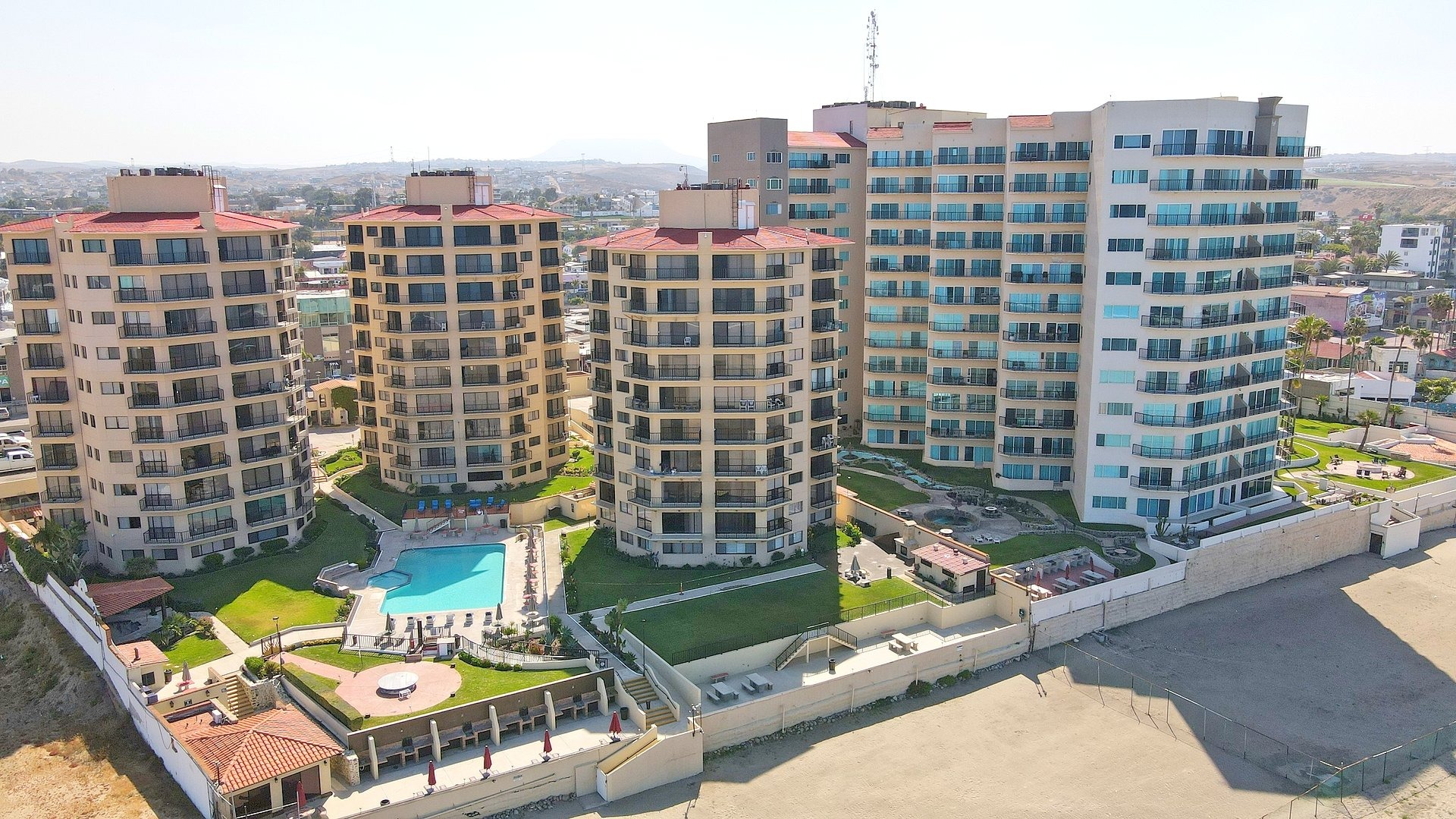
Pools, private beach access, gated entry, security, parking, clubhouses, and ocean-facing terraces can all make a property more attractive to renters and buyers alike. But amenities don't automatically make a property a better investment — every one of them typically comes attached to HOA fees or maintenance costs that need to be weighed against the rental income or lifestyle benefit they actually generate.
Before assuming an amenity-heavy property is worth the premium, it's worth running the numbers on HOA dues against comparable properties with fewer shared amenities, and being honest about which amenities your target renter or buyer will actually pay more for. A furnished, high-speed-internet-equipped unit in a gated community often justifies its dues to a vacation renter in a way it might not to a long-term local tenant.
Investing From the U.S.: Can You Manage It Remotely?
For many buyers, the more useful question isn't "is Rosarito a good investment," it's "can I realistically manage this investment if I don't live there." Cross-border proximity makes Rosarito more manageable than a lot of international property, but owning from the U.S. still means coordinating property management, cleaning, guest communication, repairs, and rental logistics from a distance.
Currency considerations add another layer — rental income, HOA dues, and maintenance costs may be denominated differently depending on the arrangement, so it's worth clarifying that upfront with whoever manages the property day to day. Understanding what to expect as a property owner before you close is a lot cheaper than learning it after your first repair call.
Talk to a Baja real estate expert
Get current inventory, pricing, and options that match your investment strategy.
Talk to a Baja real estate expertBuying as a Foreigner: What You Need to Know
Foreign buyers purchase coastal property in Mexico through a fideicomiso, a bank trust that holds title on the buyer's behalf within the restricted coastal zone. It's a well-established structure that thousands of American and Canadian owners already use along this stretch of coastline, and it doesn't meaningfully limit your rights as an owner.
A Notario Público — a government-appointed legal official, not simply a notary in the U.S. sense — oversees the closing process, verifies title, and ensures the transaction is properly recorded. For the full mechanics of how this fits together, how the buying process works in Mexico walks through the structure in more depth than makes sense to repeat here.
Due Diligence Checklist Before You Buy
Good due diligence in Rosarito covers more ground than a typical U.S. transaction. Before making an offer, investors should confirm clear title and ownership, check for outstanding liens, verify property taxes and utility accounts are current, and confirm HOA dues (if applicable) are paid up.
It's also worth checking whether the community allows short-term rentals if that's part of your plan, whether any additions or improvements were properly permitted, and the physical condition of the roof, plumbing, electrical, and structure. If a fideicomiso is already in place, confirm it's properly established and current, and make sure the property has legal and practical access — not just a driveway that happens to exist. Documentation should match what's actually being represented in the listing, and any gap between the two is worth resolving before closing, not after.
What Can Hurt a Rosarito Real Estate Investment
No investment is risk-free, and Rosarito has its own specific set of considerations worth naming plainly. Salt-air corrosion and general property maintenance can be more demanding near the coast than inland. HOA and rental restrictions can limit flexibility if they don't match your intended use, and vacancy or shifting rental demand can affect returns in ways that are hard to predict from a single season.
Currency fluctuations, unexpected repair costs, infrastructure considerations, and title or documentation issues round out the list — none of which are unique to Mexico, but all of which deserve the same scrutiny you'd apply to any real estate purchase. Good investing isn't about eliminating risk. It's about understanding the risks before you buy, not after.
Matching Strategy to Property
There isn't one "best" Rosarito investment — there's a best investment for a given strategy. A vacation rental play generally prioritizes beach access, views, amenities, bedroom count, and entertainment space. A long-term rental prioritizes neighborhood quality, transportation, services, and functional layout over views or beach proximity.
A second home with occasional rental income prioritizes personal lifestyle fit first, with rental flexibility as a secondary consideration. A fix-and-improve strategy leans on property fundamentals and renovation feasibility over polish, while a land or development play depends almost entirely on location, utilities, legal access, and zoning. Knowing which of these you're actually pursuing — before you start touring investment properties in Rosarito — saves a lot of wasted showings.
Current Inventory and Getting Real Numbers
Real estate inventory, pricing, and market conditions in Rosarito change frequently enough that any figure printed here would likely be outdated by the time you read it. Rather than guess, the more useful step is reaching out directly for current pricing, available inventory, and communities that match your specific goals.
Talk to a Baja real estate expert
Get current inventory, pricing, and options that match your investment strategy.
Talk to a Baja real estate expertFrequently Asked Questions
Is Rosarito Mexico a good place to invest in real estate?
It can be, but the answer depends on the specific property, location, and strategy rather than the market as a whole. Investors who match their property choice to a clear rental or ownership plan tend to do better than those buying based on the address alone.
Can Americans buy investment property in Rosarito?
Yes. American buyers regularly purchase coastal property in Rosarito through a fideicomiso, which is a standard and well-established structure for foreign ownership in Mexico's restricted zone.
Do I need a fideicomiso to invest in Rosarito?
If the property sits within the restricted coastal zone, yes — a fideicomiso is how foreign buyers hold title there. It's set up and administered by a Mexican bank and renews on a set term, and it doesn't restrict your ability to sell, rent, or pass on the property.
Is Rosarito good for Airbnb or vacation rentals?
Many Rosarito properties do well as vacation rentals, particularly ones with beach access, views, or gated-community amenities that appeal to Southern California weekend travelers. Performance still varies a lot by specific property and neighborhood, so it's worth checking a community's actual rental rules before assuming short-term rentals are permitted.
Is beachfront property in Rosarito a good investment?
It can be a strong choice for vacation-rental demand and lifestyle appeal, but beachfront property also carries higher maintenance and insurance considerations from salt-air exposure. Whether it's the "best" investment depends on how those added costs stack up against the rental premium it can command.
Is it better to buy a condo or a house in Rosarito?
Neither is universally better — condos generally offer lower maintenance and built-in amenities, while houses offer more flexibility for renovation, layout changes, and rental use. The right choice depends on how hands-on you want to be as an owner and what your target renter or buyer expects.
Can I manage a Rosarito rental property from the United States?
Many U.S.-based owners do, often with the help of a local property manager for cleaning, guest communication, and repairs. Rosarito's proximity to the border makes hands-on visits more practical than most international property, but most owners still rely on some local support for day-to-day operations.
For general context on foreign ownership rules and border-area travel, the Baja California Secretary of Tourism and the U.S. Consulate General Tijuana are both useful reference points alongside guidance from a local agent and legal counsel.